Israel
Table of Contents
Geographical note: Although the international community generally considers East Jerusalem to be part of the occupied Palestinian territory, it may be mentioned in this report where Israeli law and policies affect conditions there. Unless otherwise stated, references to Israel refer to Israel within its internationally recognized territory.
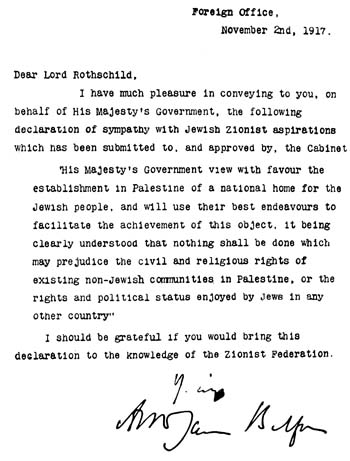
The State of Israel is located on the eastern shore of the Mediterranean Sea. Created in 1948 following the division of the former British Mandate of Palestine, Israel was envisaged as a homeland for Jews from all over the world, including those persecuted and displaced during World War Two. Even before the Mandate, tens of thousands of Jews had already emigrated to Palestine under the Zionist project.1 The British Mandate incorporated the Balfour Declaration2 which expressed support for “the establishment in Palestine of a national home for the Jewish people”. The huge influx of Jewish immigrants in the 1930s created tensions with the native Palestinian Arabs and the ensuing violence led the United Nations to partition Palestine into Jewish and Arab sectors before Israel’s declaration of statehood in 1948. Over the next 35 years Israel fought numerous wars with its neighbors and disputes over territory and the status of refugees continue to this day. Israel has occupied the Palestinian territories since 1967 (see Palestine update).3
The occupied Palestinian territory (OPT) refers to the West Bank, including East Jerusalem, and the Gaza Strip. The international community considers these areas to have been under Israeli occupation since the 1967 war. Israel disputes that the territory is occupied and East Jerusalem is governed differently under Israeli law.
Israel is a parliamentary democracy with a multi-party system. The Presidential role is a largely ceremonial one, held by Isaac Herzog at the time of writing. The Prime Minister heads the government and the position has been held by Benjamin Netanyahu for three periods, including one of 12 consecutive years: 1996-1999, 2009-2021, and 2022-present. Netanyahu’s electoral success rests primarily upon the perception that he is able to keep Israel safe. He currently leads a government considered the most right-wing in the country’s history.4
On 7 October 2023 Israel suffered its worst terrorist attack in the country’s history, when Hamas gunmen entered Israel from Gaza brutally killing roughly 1,200 people and taking 251 hostages. In response, Israel launched a massive military offensive on Gaza resulting in the deaths of over 72,000 people, mainly civilians of whom half were women and children.5 Although a ceasefire has been in place since October 2025, Israel has continued to conduct deadly military operations, impose restrictions, and maintain control over parts of Gaza. Numerous international human rights organizations and legal experts – including a UN Independent Commission of Inquiry, the International Association of Genocide Scholars, and the UN Special Rapporteur on the Occupied Palestinian Territories – consider that Israel’s actions in Gaza amount to genocide. The International Court of Justice is also considering the case brought by South Africa against Israel on charges of genocide.6 Netanyahu and then-Minister of Defense, Yoav Gallant, are wanted by the International Criminal Court (ICC) for alleged war crimes and crimes against humanity. Domestically, since 2019, Netanyahu has been facing charges of fraud, bribery, and breach of trust – which he emphatically denies.7
Israel has a population of around 9.6 million people. According to the 2022 Population Census, those identifying as Jews represent an estimated 72.5% of the population, while 17.8% identify as Muslims. Smaller religious minorities are Druze (1.5%), Christians (1.9%), Baha’is, Samaritans, Karaites and Jehovah’s Witnesses.8
| Constitution and government | Education and children’s rights | Family, community, society, religious courts and tribunals | Freedom of expression advocacy of humanist values |
|---|---|---|---|
| Severe Discrimination |
| Systemic Discrimination |
| Mostly Satisfactory |
Constitution and government
Basic Laws
Due in part to the lack of agreement between secular and religious Israelis, the country has never adopted a formal constitution after the establishment of the State of Israel. However, fundamental rights are set out in a series of Basic Laws which serve as the nation’s constitutional foundation. Israel’s Supreme Court has repeatedly held that the Basic Law on Human Dignity and Liberty protects freedom of religion or belief and freedom of expression.9 The Basic Law describes the country as a “Jewish and democratic state” and references the Declaration of the Establishment of the State of Israel,10 which promises religious freedom and full social and political equality, regardless of religious affiliation.
However, certain laws and policies privilege Jews over non-Jews, and Orthodox Jews over non-Orthodox ones, including those identifying with secular or Humanistic Judaism. The Basic Law: Israel – The Nation State of the Jewish People (Nation State Law)11 is controversial for giving Jews a preferential status over other communities in terms of the right to self-determination in the country. Specifically, clause 1(c), which outlines the “Basic Principles”, reads:
“The right to exercise national self-determination in the State of Israel is unique to the Jewish people.”
The Nation State Law was condemned by multiple parties and defined by some political groups and activists as an act of discrimination against Israel’s Arabs, who make up about 20% of the population.12 More than half of Jewish (secular and religious) citizens do not think Jews should have more rights than other groups on the basis of Jewish identity.13
The Nation State Law also explicitly calls for promotion of “Jewish settlement” as a national value and downgrades Arabic from its previous status as an official language to a language with “special status.”14
The 1950 Law of Return grants Jews, and some relatives of Jews, a special right to immigrate to Israel and obtain citizenship. Palestinian refugees and their descendants are not granted such a right and Israel has persistently prevented them from returning to Israel.15 As explained by Human Rights Watch:
“a Jewish citizen of any country who has never been to Israel can move there and automatically gain citizenship, while a Palestinian expelled from his home in what became Israel and languishing for more than 70 years in a refugee camp, cannot.”16
Religious-based legislation
Only the religions of Judaism, Christianity, Islam, the Baha’i Faith, and the Druze religion are recognized by law. These religious groups benefit from tax exemption on their places of worship and, in some cases, have separate religious courts to apply personal status laws.17
In a remnant of the Ottoman Millet system, family and personal status law is almost entirely subsumed by religious authority. The state officially recognizes religious courts for certain civil-religious matters for Jewish, Christian, Muslim, Druze and Baha’i religious communities (see below).18
Proselytizing is allowed for all religious groups, except for the attempt to convert a minor or offer a material benefit; however, parts of society consider it as religious harassment and oppose missionary activity directed at Jews.19
Citizens’ religious affiliation is captured in the National Registry but not on ID cards.20
Legal privileges for Orthodox Jewish practices
As a Jewish state, some laws and policies promote certain Orthodox Jewish practices and recognize special privileges to Orthodox Jews. For example, public transportation is generally not permitted to run on the Sabbath or religious holidays.21 However, the city of Tel Aviv permits public transportation, as well as infrastructure projects, during the Jewish sabbath.22
The distribution and consumption of non-kosher food in the army and public hospitals is restricted. In 2023, a law was passed allowing hospitals to ban leavened food products during Passover.23
Ultra-Orthodox Jewish men have long been exempt from compulsory military service. However, in 2024, the Supreme Court ruled that the military must begin conscripting ultra-Orthodox men in keeping with existing laws. Despite protests from the ultra-Orthodox community, draft notices were issued.24 Israel’s ultra-Orthodox party, United Torah Judaism (UTJ), quit the government over the issue.25
In May 2026, following continuing disputes over ultra-Orthodox military conscription, the Knesset advanced a bill that would dissolve parliament and trigger early elections if passed into law. While the dissolution process is still underway at the time of writing, the vote reflects the growing instability of the coalition under Prime Minister Netanyahu’s leadership.26
Judicial Independence
The independence of the judiciary has come under increasing political pressure in recent years. In 2023, the government started to pass a controversial set of reforms to reduce the power of the courts over the government, prompting tens of thousands of people to join weekly protests.27 The first of the laws, to prevent judges from overturning government decisions they deem ‘unreasonable’, was narrowly struck down by the Supreme Court.28 In March 2025, the government passed a law to increase the power of the government in the selection of judges.29 The opposition, who boycotted the vote, has filed a petition with the Supreme Court to challenge the law.30 In August of the same year, the government decided to fire the Attorney General, a decision quickly suspended by the Supreme Court until a hearing by the High Court of Justice which blocked the move.31
Discrimination of minority groups
Arab citizens of Israel, who often identify as Palestinian and are predominantly Muslim, but also Christian or Druze, face discrimination in most areas of life. They tend to live in poorer areas segregated from Jewish society, have limited access to formal education, and fewer economic opportunities.32 Israel classifies Arab citizens by categories such as nationality and religion, and discriminatory restrictions and legal barriers limit where they are able to live.33
As the vast majority of land is publicly managed and allocated by the Israel Land Authority (ILA) – in which the Jewish National Fund (JNF) has significant influence – Jewish Israelis often have greater access to land than Palestinian citizens of Israel. In a 2020 report, Human Rights Watch found that the ILA managed 93 per cent of land in Israel, including occupied East Jerusalem, and that almost half of the ILA’s governing body consisted of JNF members. The report also noted that the JNF’s mandate is to develop and lease land for Jews rather than for the population as a whole.34
Arab Israelis face disproportionate levels of criminal violence accounting for the vast majority of murder victims each year, with incidents on the rise.35 Police are much more likely to solve murders with Jewish victims than those with Arab victims.36 Arab Israelis also receive fewer protections from missile attacks due to fewer underground shelters as well as a lack of response from emergency services.37
Although Arab-majority municipalities are mostly run by parties or independents from the Arab community, no independent Arab party had ever been formally included in a governing coalition until 2021. Arab Israelis rarely serve in senior positions in government and Arab representation in the Knesset declined significantly after the 2022 elections, with only 10 non-Jewish members out of 120 seats.38
Most Arab residents of East Jerusalem do not apply for Israeli citizenship for political reasons and those that do face significant delays and are rejected in most cases. According to the law, a Palestinian Jerusalem resident who is not a citizen cannot become mayor. Palestinian residents of the West Bank or Gaza Strip who are married to Israeli citizens are generally denied citizenship and residency status.39 In 2024, the Knesset passed a controversial law allowing the deportation of family members of people convicted of terrorism offenses, including Israeli citizens. The law has been widely criticized as targeting Palestinian citizens of Israel and Palestinian residents of East Jerusalem.40
In March 2026, the Knesset passed the Death Penalty for Terrorists Law, expanding the use of capital punishment. The law has been widely condemned by human rights groups and UN officials, who argue that it is inherently discriminatory, would almost exclusively apply to Palestinians (particularly those tried in military courts in the occupied West Bank), and is inconsistent with Israel’s obligations under international law.41
Bedouin citizens who live in communities that are not recognized by the state have no official land rights, cannot claim social services, and in some cases cannot gain access to electricity or water. Bedouin homes are frequently demolished by the Israeli authorities and residents forcibly resettled. Israeli Jews of Ethiopian origin also face poverty and discrimination, notably in the criminal justice system.42
The religious sites of non-Jewish groups are protected by law, however there is discrimination in the allocation of state resources. Non-Jewish sites are disproportionately targeted with vandalism or harassment. Muslims are reported to have faced increasing harassment since the start of the war in Gaza and, since the right wing government took power, Christians have also reported an “increasing atmosphere of harassment from ultra-Orthodox Jews, apathy from authorities, and a fear of further deterioration.”43
Impunity
Arab Israelis have faced violence and abuse at the hands of the Israeli police and security forces. Israeli police have also failed to intervene when Jewish extremists and settlers have carried out attacks. Impunity for such violence has been supported at the highest levels of government. In 2021, Prime Minister Netanyahu bolstered the actions of border guards by implying that they would not come under the scrutiny of investigation committees if they violated the law. According to the Euro-Med Human Rights Monitor, he said, “Calm and security must be restored to the residents of Israel. You have full support to protect yourselves, do not be afraid of the investigation committees.”44
Church officials complain that attacks on non-jews are frequently met with impunity. They report that any arrests in relation to verbal or physical abuse lead to minimal consequences for the perpetrators who are often released without charge.45 According to the Rossing Center for Education and Dialogue’s annual report, attacks against Christians in Israel and East Jerusalem had increased to 111 reported cases in 2024.46 The Center’s director explained that while cases of spitting on Christians happened even 20 years ago, the number and the seriousness of incidents against Christians had risen with perpetrators appearing comfortable carrying out attacks publicly. Reporting of incidents has increased however, with much reporting carried out by Israeli Jewish volunteers.47
Education and children’s rights
The majority of Israelis attend largely secular state schools – known as ‘Hiloni schools’. There are also a significant number of state-funded religious schools, of which most are Jewish. Religious education is mandatory in both types of school, but in secular schools the focus is on Jewish heritage and culture.48
According to the Secular Forum, there has been growing “religionization” (hadata) in schools, including in textbooks and within programs taught by Orthodox Jewish NGOs.49
Children and young people have the right to choose a secular education even if their parents do not agree. In East Jerusalem public Arabic-speaking schools teach religious classes on both the Quran and the Bible. There are also some independent mixed Jewish-Arab schools that offer religious classes, in some cases comparative religious education emphasizing the commonalities between Jewish, Muslim and Christian religious texts.50
The Jerusalem Education Administration oversees textbooks used in East Jerusalem schools. A curriculum committee reviews and edits textbooks issued by the Palestinian Authority (PA) to remove content deemed antisemitic. This has led to the removal of all references to Palestinian identity, including Palestinian flags, pictures of Palestinian leaders, or texts about the Palestinian “right of return.”51 Schools in East Jerusalem, already under-resourced, are being put under considerable pressure to start using the Israeli curriculum instead.52
In East Jerusalem, the United Nations Relief and Works Agency for Palestine Refugees in the Near East (UNRWA) has historically run schools for Palestinian refugees, which have recently come under pressure from Israeli authorities. In May 2025, Israeli authorities moved to close UNRWA-run schools in East Jerusalem and transfer students into alternative schools. This followed the entry into force in January 2025 of Israeli legislation banning UNRWA from operating on Israeli territory. The events have occurred amid a wider effort by the Israeli government to restrict UNRWA’s operations and discredit its legitimacy.53
Imprisonment of children
In 2024, Israel passed a law permitting the imprisonment of children under 14 for murder involving “terrorism or terrorist activities.” The law, which is widely understood to primarily target Arab Israelis or Palestinian residents of East Jerusalem, ignores international juvenile justice standards demanding that prison is only used as a last resort for children. The law also includes a provision allowing children to be incarcerated in adult prisons, rather than juvenile facilities, for up to ten days if they are considered dangerous or a threat to others. Courts are also permitted to extend this period if necessary.54
Family, community and society
Each officially recognized religious community in Israel has wide ranging legal authority over its members in matters of marriage, divorce, inheritance and child custody under their own family law. For family matters the state recognizes Jewish, Muslim, Druze, Baha’i and Christian religious courts.
Citizens can, however, choose between religious and civil courts in many matters of family law, except for marriage, divorce and some Jewish- and Muslim-specific regulations.55 However, societal pressures often prevent Muslim women from choosing a civil court,56 while Jewish women generally prefer civil courts because they are considered fairer to women.57 In March 2026, a controversial bill expanding the powers of rabbinical courts was brought into force. The new law allows rabbinical courts to arbitrate in civil matters. Supporters of the law claim that it brings the courts into line with private rabbinical courts and arbiters, but opponents argue that it is harmful to women and other vulnerable groups.58
There is a gulf in social status between religious and secular Jews in different domains. The Haredim (ultra-Orthodox Jews) in Israel have some of the lowest living standards, with 34% under the poverty line.59 Furthermore, Haredim tend to live in insular communities and distance themselves from modern life and secular culture.60
Women’s rights
Israel is ranked the lowest of all OECD countries on the OECD gender equality index.61 Although women enjoy equal rights in the criminal and civil courts, there is still significant societal discrimination, particularly in the Arab and religious Jewish communities. Women’s political representation is low and two of the religious parties that form the current ruling coalition do not even allow women on their lists.62 Arab women are much less likely to be employed than either Arab men or Jewish women and women face systematic discrimination by religious courts that rule on family law cases.63 The Women’s Equal Rights law (1951)64 explicitly exempts matters regarding marriage, divorce, and appointments to religious positions.65
Muslim family law often discriminates against women in matters of marriage, divorce, and child custody. A Muslim man can marry a non-Muslim woman, but a Muslim woman can only marry a Muslim man. Muslim and Druze men can easily divorce, while the women do not have the same rights. Jewish women have to get a handwritten decree from their husbands in order for the divorce to be finalized in the Rabbinical courts – which forbid women from serving as judges on their panels yet are the only courts that can establish a divorce between Jews (see more in following section).
Violence against women remains a persistent problem and murders of women have been on the rise for several years.66 Violence against women, including physical and mental violence, rape and spousal rape, is criminalized by the Penal Code.67 The law also defines sexual harassment as both a criminal offense and a cause for civil suit. The authorities operate women’s shelters, a national hotline for reporting abuses, among other measures. However, Orthodox Jewish, Muslim, Bedouin, and Druze communities face significant social pressure not to report domestic abuse or rape. Honor killings of women are particularly present in the Arab and Bedouin communities.68
The current coalition government has allowed greater space for ultra-Orthodox views, which tend to oppose progress on women’s rights and advance religious patriarchal norms, including calls for gender segregation and “modesty” laws.69 More progressive religious groups attempt to counter such discourse. The organization Women of the Wall seeks to gain the right for women to pray at the Western Wall in Jerusalem, Judaism’s most Holy site, on an equal footing with men – including wearing prayer shawls and reading collectively from the Torah. The site has been run in accordance with ultra-Orthodox protocol since it was reclaimed by Israel in 1967 and strict gender segregation is in place. The authorities have allowed the Women of the Wall activists to hold a monthly service in a barricaded section of the women’s area of the main Western Plaza, where they are regularly met with verbal abuse and spitting from ultra-Orthodox men and women.70
Marriage and divorce
Israel does not permit civil marriage, so those wishing to have a non-religious ceremony must go abroad as the government does recognize foreign civil marriages. Jewish Israelis must be married by an Orthodox Rabbi who has been recognized by the Chief Rabbinate. Orthodox Jewish law does not recognize marriages between Jews and non-Jews. Furthermore, Orthodox Judaism only recognizes someone as Jewish if they were born to a mother who is recognized as Jewish or if they underwent a conversion accepted by rabbinical authorities. Israelis who claim their Judaism from their father are not able to marry as it would be considered a “mixed marriage”. This can be a particular issue for recent immigrants from the former Soviet Union, as many obtained their Israeli citizenship due to their Jewish heritage on their father’s side.71
Since 2010, civil unions have been introduced as an alternative to marriage where both partners are registered as having no religious affiliation, or if the partners are of different religions and their respective religious courts do not object to a civil registration.72
Religious courts have exclusive jurisdiction over divorce cases when both partners are registered with the same recognized religion. Civil courts have jurisdiction in cases of interfaith and same-sex couples. For the majority of the Jewish population, this means that Rabbinical courts have exclusive authority over divorce.
In the case of Muslims, a Muslim man is allowed to divorce his wife without her consent and without petitioning the court. However, a Muslim woman may only petition for a divorce through sharia courts without her husband’s consent under certain conditions.73
Some of the more practical elements of divorce, such as child custody and alimony, can be handled by the small number of civil family courts, if they are the first to hear the case.38 Both parents are generally considered equal and the Capacity and Guardianship Law (1962),74 which applies to all Israeli citizens, provides parental authority to both parents. The courts tend to favor maternal custody but some religious courts may rule differently. There have been cases of divorced couples racing to different courts, the man to the Rabbinical court, the woman to the civil courts, in order to get a better settlement.75 In the Druze community the courts tend to give preference to the father.76
LGBTI+ rights
LGBTI+ Israelis enjoy full political rights and a broadly tolerant society, particularly in Tel Aviv. They have gained representation in the political system; the current parliament speaker and some other lawmakers are openly gay.77 However, religious parties have regularly prevented the state from enacting anti-discrimination laws for sexual minorities, including proposals to introduce same-sex marriage. Same-sex couples can get married abroad, however, and since 2006 authorities are required to recognize the marriage upon their return.78 In 2020, the city of Tel Aviv declared it would recognize gay civil unions, and in 2022, a lower court recognized marriages carried out remotely.79 Same-sex couples also have the option of making a family life agreement in Israel and having it authorized at a family court. In 2023, the High Court of Justice ruled that same-sex couples may adopt children.80
LGBTI+ people tend to face greater challenges within more religious communities where they face stigmatization and expulsion from their homes for revealing their sexual orientation. It is reported that so-called “conversion therapy” is practised within Jewish and Muslim religious communities, although medical professionals have been banned from administering such “treatments” following a 2022 Health Ministry directive.81
The current right-wing government includes many politicians who are opposed to gay rights including a self-proclaimed “fascist homophobe” as finance minister and a deputy minister who has declared that he wants to cancel Pride marches.82 Many LGBTI+ activists have accused the government of using its reputation as “gay-friendly” to distract – or “pink-wash” – its treatment of Palestinians, including the occupation and war in Gaza. There has been outrage at the Israeli government posting pictures of soldiers with rainbow flags in Gaza in front of buildings that have been reduced to rubble.83
Attacks on Muslim and Christian religious sites, vehicles, and homes by radical settler groups and other Jewish extremists have risen in recent years. Some of these attacks have historically been described as “price tag” attacks. They have often involved physical violence, arson, vandalism and graffiti that contains anti-Arab, anti-Muslim or anti-Christian language.84
Freedom of expression, advocacy of humanist values
Freedom of expression, and media freedom, are not expressly guaranteed under the Basic Law on Human Dignity and Liberty, but have been recognized by the Supreme Court as constitutional rights. However, public expression on certain issues – including security, the war in Gaza, the occupation, or the legitimacy of Israel as a state – can be subject to military censorship, legal restrictions or political pressure. Media freedoms have been in decline under the current government and journalism has been severely repressed in the context of the war in Gaza.85
Media freedoms
The media landscape in Israel is vibrant and journalists are generally free to criticize government policy. However, content that covers security matters is subject to military censorship and over recent years there has been a decline in press freedom. Reporting of the war in Gaza has been particularly suppressed; numerous news items, especially those relating to the deaths of civilians in Gaza, have been completely or partially redacted and no foreign journalists have been granted independent access to the territory.86 Reporting has been left to local Palestinian journalists and UN experts reported that at least 248 journalists had been killed in Gaza as of September 2025, with the number rising to 294 by April 2026.87 Dozens have also been arbitrarily held in Israeli prisons.88
In April 2024, the Knesset passed a temporary law, known as the Foreign Broadcasting Law or “Al Jazeera Law,” which was used in May 2024 to shut down the local operations of Al Jazeera. The government claimed that the network threatened “national security” through its reporting on the war in Gaza. In December 2025, the Knesset extended the law until the end of 2027, permitting the authorities to restrict or shut down any foreign media outlets they consider harmful to “national security.”89
The Israeli military had accused Al Jazeera correspondents of working with Hamas, allegations that Al Jazeera have denied. In the same month, the Israeli authorities confiscated equipment from the Associated Press which it accused of providing live images of Gaza to Al Jazeera. In October of the same year, a US journalist was detained for several days following his reporting on Iranian missile strikes which the authorities claimed were in breach of military censorship laws.90
Domestically the current government has sought to create a challenging environment for media groups who are critical of its policies. According to Reporters Without Borders,
“Politicians have significant influence over appointments to the broadcasting regulatory bodies. Since 2021, only journalists working for Channel 14, a media outlet that covers Prime Minister Benjamin Netanyahu in a favourable light, have been granted interviews with the country’s leader, who accuses the Israeli press of conspiring against him.”91
The government and its allies have sought to portray critical journalists as “traitors” while rewarding supportive outlets. In November 2024, the government passed a resolution directing all government-funded organizations to stop official communications with Haaretz newspaper, including the withdrawal of all advertisements.92 The newspaper has filed a petition with the High Court against the boycott.93
Political expression
While Israelis are generally free to express their political views in private discussions and on social media, there are legal restrictions with regard to certain subjects. The 2011 Anti-Boycott Law94 prohibits individuals and groups advocating for an economic, cultural or academic boycott of Israel or its settlements.95
Following the Hamas attack in October 2023, hundreds of arrests and interrogations were carried out for acts of alleged incitement to terrorism, often on social media. Arab Israelis faced a disproportionate number of accusations and many cases lacked due process or sufficient evidence.96 In one high-profile example, singer and neuroscientist Dalal Abu Amneh was arrested and detained for two days following her social media post depicting a Palestinian flag with the phrase “there is no victor but God”.97 Despite her release without charge, the mayor of the city of Afula led demonstrations outside her home, and her water supply was repeatedly cut off.98
The 2016 Suspension Law99 allows the suspension of politicians who incite racism or support armed struggle against Israel. This law was used at the end of 2023 to suspend far-left politician Ofer Cassif from the Knesset for six months following his public statements about alleged Israeli war crimes in Gaza.100 The so-called “Nakba Law” authorizes the cancellation of state funding to state-supported institutions that reject the existence of Israel as a “Jewish and democratic state” or commemorate the Nakba, or “catastrophe”.101
At the end of 2023, an amendment to the Counterterrorism Law102 was approved to criminalize the “consumption of terrorist materials,”, including on social media, with a maximum penalty of one year’s imprisonment. Human rights groups have argued that the wording of the amendment is overly vague and expands powers of surveillance while restricting free speech.103
De-facto blasphemy law
Article 173 of the country’s Penal Code allows for one-year imprisonment if: “One publishes a publication that is liable to crudely offend the religious faith or sentiment of others,” or if “One voices in a public place and in the hearing of another person any word or sound that is liable to crudely offend the religious faith or sentiment of others.” However, cases involving Article 173 are rare, and in many of them the Supreme Court has ruled that the freedom of expression enshrined in the Basic Law prevails over Article 173. The Israel Democracy Institute has criticized Article 173 and called for its repeal.104 In 2022, Israel was a co-signatory on a public statement made by the International Religious Freedom or Belief Alliance calling for the repeal of blasphemy laws around the world.105
Freedom of Assembly
Freedom of assembly is legally protected in Israel and large domestic protests, including anti-government and hostage-release demonstrations, have often been permitted. However, many demonstrations have faced restrictions and there have been reports that excessive force has been used by police – particularly in response to protests organized by minority groups such as Arabs, ultra-Orthodox Jews and Ethiopian Jews.106
Since the October 2023 Hamas attack, mass demonstrations took place in Israel against the government’s management of the hostage release negotiations. While the protests were allowed to proceed, protests against the war in Gaza have been met with police crack downs, arrests, and an excessive use of force.107 In March 2025, Israeli police were filmed punching and kicking protestors at a demonstration against the sacking of the Shin Bet (Israel Security Agency) Director, Ronen Bar.108
Freedom of Association
There has been a deterioration in the environment for NGOs in recent years. The law requires organizations receiving more than half their funding from foreign governments to publicly disclose the fact as well as in communications with elected officials. This particularly affects organizations who oppose Israeli policies towards Palestinians. Since 2017, any foreign groups or individuals publicly supporting a boycott of Israel or its settlements are prohibited from entering the country.109 Israeli Human Rights groups advocating for the rights of Palestinians are subject to threats and harassment, including the labelling of their directors as “traitors” by senior Israeli government figures.110 A 2025 extension to the law also bars entry to anyone who publicly supports international prosecution of Israeli citizens over their activities in the security services or who deny the holocaust or the atrocities committed by Hamas on the 7 October attack.111
- “Zionism, Jewish nationalist movement with the goal of the creation and support of a Jewish national state in Palestine, the ancient homeland of the Jews” (Britannica, 2025) [↩]
- Balfour Declaration, 2 November 1917 https://www.un.org/unispal/wp-content/uploads/2017/05/Balfour_declaration_unmarked.jpg [↩]
- “Israel Country Profile”, BBC, accessed 7 November 2025 https://www.bbc.com/news/world-middle-east-14628835;
“Israel”, Britannica, accessed 7 November 2025 https://www.britannica.com/place/Israel [↩] - “Israel Country Profile”, BBC, accessed 7 November 2025 https://www.bbc.com/news/world-middle-east-14628835[↩]
- “What is Hamas and why is it fighting with Israel in Gaza?”, BBC, 14 October 2025 https://www.bbc.com/news/articles/clyv7w3gdy2o; Rami Ayyub, “Gaza deaths in war’s first 15 months higher than reported, study says”, Reuters, 19 February 2026 https://www.reuters.com/world/middle-east/gaza-deaths-wars-first-15-months-higher-than-reported-study-says-2026-02-19/ [↩]
- Emir Nader, “Israel committing genocide in Gaza, world’s leading experts say”, BBC, 1 September 2025 https://www.bbc.com/news/articles/cde3eyzdr63o [↩]
- Farah Najjar, “Benjamin Netanyahu’s corruption trial, what you need to know” Al Jazeera, 9 December 2024 https://www.aljazeera.com/news/2024/12/9/benjamin-netanyahus-corruption-trial-what-you-need-to-know [↩]
- “Population census 2022”, Central Bureau of Statistics, accessed 15 December 2025 https://www.cbs.gov.il/en/Surveys/Pages/Population-Census.aspx [↩]
- Knesset, Basic Law on Human Dignity and Liberty, adopted 25 March 2022 https://main.knesset.gov.il/activity/legislation/laws/pages/lawprimary.aspx?t=lawlaws&st=lawlawsbasic&lawitemid=2000046 [HEBREW]
https://m.knesset.gov.il/EN/activity/documents/BasicLawsPDF/BasicLawLiberty.pdf [ENGLISH] [↩] - Ministry of Foreign Affairs, The Declaration of the Establishment of the State of Israel, 14 May 1948 https://www.gov.il/en/pages/declaration-of-establishment-state-of-israel [↩]
- Knesset, The Basic Law: Israel – The Nation State of the Jewish People, adopted 26 July 2018 https://fs.knesset.gov.il//20/law/20_lsr_504220.pdf [HEBREW] https://main.knesset.gov.il/EN/activity/documents/BasicLawsPDF/BasicLawNationState.pdf [ENGLISH][↩]
- “EU leads criticism after Israel passes Jewish ‘nation state’ law”, The Guardian, 19 July 2018 https://www.theguardian.com/world/2018/jul/19/israel-adopts-controversial-jewish-nation-state-law?CMP=share_btn_tw [↩]
- The Israeli Democracy Index 2023, The Israel Democracy Institute, accessed 7 November 2025 https://en.idi.org.il/media/24389/the-israeli-democracy-index-2023-english.pdf [↩]
- “Israel’s apartheid against Palestinians: a cruel system of domination and a crime against humanity”, Amnesty International, 1 February 2022 https://www.amnesty.org/en/latest/news/2022/02/israels-apartheid-against-palestinians-a-cruel-system-of-domination-and-a-crime-against-humanity/ [↩]
- Al-Haq–Law in the Service of Man et al., Joint Parallel Report to the United Nations Committee on the Elimination of Racial Discrimination on Israel’s Seventeenth to Nineteenth Periodic Reports, 10 November 2019, https://www.alhaq.org/cached_uploads/download/2019/11/12/joint-parallel-report-to-cerd-on-israel-s-17th-19th-periodic-reports-10-november-2019-final-1573563352.pdf [↩]
- “75 Years Later, Israel Blocking Palestinian Refugees’ Return”, Human Rights Watch, 15 May 2023, https://www.hrw.org/news/2023/05/15/75-years-later-israel-blocking-palestinian-refugees-return [↩]
- “Israel” chapter in 2023 Report on International Religious Freedom, (U.S. Department of State, 2024) https://www.state.gov/reports/2023-report-on-international-religious-freedom/israel-west-bank-and-gaza/ [↩]
- “Israel” chapter in 2023 Report on International Religious Freedom, (U.S. Department of State, 2024) https://www.state.gov/reports/2023-report-on-international-religious-freedom/israel-west-bank-and-gaza/ [↩]
- “Israel” chapter in 2023 Report on International Religious Freedom, (U.S. Department of State, 2024) https://www.state.gov/reports/2023-report-on-international-religious-freedom/israel-west-bank-and-gaza/ [↩]
- “Israel” chapter in 2023 Report on International Religious Freedom, (U.S. Department of State, 2024) https://www.state.gov/reports/2023-report-on-international-religious-freedom/israel-west-bank-and-gaza/ [↩]
- “Israel” chapter in Freedom in the World 2025, (Freedom House, 2025) https://freedomhouse.org/country/israel/freedom-world/2025 [↩]
- Tia Goldenberg, “Sabbath buses barrel through Israel’s religious-secular rift”, Associated Press, 29 November 2019 https://apnews.com/article/b0438643de154bb89da218fcb97acce4 [↩]
- “Israel” chapter in Freedom in the World 2025, (Freedom House, 2025) https://freedomhouse.org/country/israel/freedom-world/2025 [↩]
- Emanuel Fabian, “Ultra-Orthodox incensed as IDF chief orders boost in community’s conscription”, The Times of Israel, 7 May 2025 https://www.timesofisrael.com/ultra-orthodox-incensed-as-idf-chief-orders-boost-in-communitys-conscription/ [↩]
- “Israeli ultra-Orthodox party quits Netanyahu government over conscription”, Al Jazeera, 15 July 2025 https://www.aljazeera.com/news/2025/7/15/israeli-ultra-orthodox-party-quits-netanyahu-government-over-conscription [↩]
- Maayan Lubell, “Israel’s parliament has voted to dissolve itself. What’s next?”, Reuters, 20 May 2026, https://www.reuters.com/world/middle-east/israeli-vote-dissolve-parliament-may-bring-elections-forward-2026-05-20/ [↩]
- Raffi Berg, “Israel judicial reform explained: What is the crisis about?”, BBC, 11 September 2023 https://www.bbc.com/news/world-middle-east-65086871 [↩]
- “Israel’s top court strikes down key component of Netanyahu’s judicial overhaul”, Le Monde, 1 January 2024 https://www.lemonde.fr/en/international/article/2024/01/01/israel-s-top-court-strikes-down-key-component-of-netanyahu-s-judicial-overhaul_6393364_4.html [↩]
- Sam Sokol, “Knesset passes law greatly boosting political control over appointment of judges”, The Times of Israel, 27 March 2025 https://www.timesofisrael.com/knesset-passes-law-greatly-boosting-political-control-over-judicial-appointments/ [↩]
- “Israeli parliament passes law expanding political control of judicial appointments”, France24, 27 March 2025 https://www.france24.com/en/live-news/20250327-israel-parliament-passes-judicial-reform-law-opposition-challenges [↩]
- Prof. Yuval Shany, Prof. Amichai Cohen, “Back Into the Abyss: Israel’s Government Fires Attorney General, Supreme Court Blocks the Move”, The Israel Democracy Institute, 20 August 2025 https://en.idi.org.il/articles/61527;
“High Court Blocks Israeli Government’s New Method To Fire Attorney General”, The Media Line, 1 September 2025 https://themedialine.org/headlines/high-court-blocks-governments-new-method-to-fire-attorney-general/ [↩] - Kali Robinson, “What to Know About the Arab Citizens of Israel”, Council on Foreign Relations, last updated 26 October 2023 https://www.cfr.org/backgrounder/what-know-about-arab-citizens-israel [↩]
- Layla Gantus, “The Many Civil and Human Rights Challenges Facing Israel’s Palestinian Citizens”, Carnegie Endowment for International Peace, 28 February 2024 https://carnegieendowment.org/posts/2024/02/the-many-civil-and-human-rights-challenges-facing-israels-palestinian-citizens?lang=en [↩]
- “Israel: Discriminatory Land Policies Hem in Palestinians”, Human Rights Watch, 12 May 2020, https://www.hrw.org/news/2020/05/12/israel-discriminatory-land-policies-hem-palestinians [↩]
- Hadas Gold, “Israel’s Arab citizens demand justice after alarming rise in gang-related murders”, CNN, 8 September 2023 https://edition.cnn.com/2023/09/08/middleeast/israel-arab-citizens-crime-mime-intl [↩]
- “Israel” chapter in Freedom in the World 2025, (Freedom House, 2025) https://freedomhouse.org/country/israel/freedom-world/2025 [↩]
- Julian Borger & Quique Kierszenbaum, “‘They just see you as an Arab’: Israel’s Palestinian citizens given cursory protection from attack”, The Guardian, 15 June 2025 https://www.theguardian.com/world/2025/jun/15/they-just-see-you-as-an-arab-israels-palestinian-citizens-given-cursory-protection-from-attack [↩]
- “Israel” chapter in Freedom in the World 2025, (Freedom House, 2025) https://freedomhouse.org/country/israel/freedom-world/2025 [↩]
- “Israel” chapter in Freedom in the World 2025, (Freedom House, 2025) https://freedomhouse.org/country/israel/freedom-world/2025 [↩]
- Jon Donnison & Ido Vock, “Israel passes law to deport relatives of attackers, including citizens”, BBC, 7 November 2024 https://www.bbc.com/news/articles/c1mlp9xdxl1o[↩]
- “Israel: Discriminatory Death Penalty Bill Passes”, Human Rights Watch, 31 March 2026, https://www.hrw.org/news/2026/03/31/israel-discriminatory-death-penalty-bill-passes; “Israel: Türk warns against legislative steps targeting Palestinians in violation of international law”, UN Office of the High Commissioner for Human Rights, 31 March 2026 https://www.ohchr.org/en/press-releases/2026/03/israel-turk-warns-against-legislative-steps-targeting-palestinians-violation [↩]
- “Israel” chapter in Freedom in the World 2025, (Freedom House, 2025) https://freedomhouse.org/country/israel/freedom-world/2025[↩]
- “Israel” chapter in 2023 Report on International Religious Freedom, (U.S. Department of State, 2024) https://www.state.gov/reports/2023-report-on-international-religious-freedom/israel-west-bank-and-gaza/ [↩]
- Mossawa Center, 100 Days: Palestinian-Arab Citizens in Israel During the War on Gaza, (Mosawa Center, 2024) https://www.mossawa.org/eng//Public/file/1100%20DAYS_%20Report%20on%20the%20Status%20of%20Palestinian-Arab%20Citizens%20of%20Israel%20During%20the%20War%20on%20Gaza.pdf
“Unparalleled growth in attacks and violence against Arabs in Israel”, Euro-Med Human Rights Monitor, 19 May 2021 https://euromedmonitor.org/en/article/4401/Unparalleled-growth-in-attacks-and-violence-against-Arabs-in-Israel [↩] - “Israel” chapter in 2023 Report on International Religious Freedom, (U.S. Department of State, 2024) https://www.state.gov/reports/2023-report-on-international-religious-freedom/israel-west-bank-and-gaza/ [↩]
- Rossing Center for Education and Dialogue, 2024 annual report- Attacks on Christians in Israel and East Jerusalem, (Rossing Center for Education and Dialogue, 2024) https://rossingcenter.org/the-2024-annual-report/ [↩]
- Rossella Tercatin, “Report shows rise in attacks on Christians in Israel, but a willingness to tackle issue”, The Times of Israel, 27 March 2025 https://www.timesofisrael.com/report-shows-rise-in-attacks-on-christians-in-israel-but-a-willingness-to-tackle-issue/ [↩]
- “Israel” chapter in 2023 Report on International Religious Freedom, (U.S. Department of State, 2024) https://www.state.gov/reports/2023-report-on-international-religious-freedom/israel-west-bank-and-gaza/ [↩]
- Sarah Levi, “Between religious and secular learning”, The Jerusalem Post, 28 August 2017 https://www.jpost.com/israel-news/between-religious-and-secular-learning-503569 [↩]
- “Israel” chapter in 2023 Report on International Religious Freedom, (U.S. Department of State, 2024) https://www.state.gov/reports/2023-report-on-international-religious-freedom/israel-west-bank-and-gaza/ [↩]
- “Israel” chapter in 2023 Report on International Religious Freedom, (U.S. Department of State, 2024) https://www.state.gov/reports/2023-report-on-international-religious-freedom/israel-west-bank-and-gaza/ [↩]
- Jerusalem Center for Human Rights, The Israeli measures impacting Palestinian education in East Jerusalem, (Jerusalem Center for Human Rights, 2023) accessed 21 October 2025
https://www.jlac.ps/public/files/file/fact%20sheets/Factsheet_Education%20_in_Jerusalem.pdf;
Najla M. Shahwan, “ Israel tampers with Palestinian education in occupied East Jerusalem”, Daily Sabah, 11 August 2022 https://www.dailysabah.com/opinion/op-ed/israel-tampers-with-palestinian-education-in-occupied-east-jerusalem [↩] - “Israel closes 6 UN schools for Palestinians in east Jerusalem”, Associated Press, 8 May 2025 https://apnews.com/article/israel-palestinians-jerusalem-unrwa-schools-10e4d242d0c1b0d84ce03945b44f6d31 [↩]
- “Israel passes law allowing Palestinian children under 14 to be jailed”, Middle East Monitor, 8 November 2024 https://www.middleeastmonitor.com/20241108-israel-passes-law-allowing-palestinian-children-under-14-to-be-jailed/ [↩]
- “Israel” chapter in 2023 Report on International Religious Freedom, (U.S. Department of State, 2024) https://www.state.gov/reports/2023-report-on-international-religious-freedom/israel-west-bank-and-gaza/;
Kelsey Martin, “The Israel Legal System and its Effects on Marriage”, University of Denver, Journal of International Law and Policy, 2 December 2020 https://djilp.org/the-israel-legal-system-and-its-effects-on-marriage/#post-10412-footnote-9[↩] - Ariel Ben Solomon, “Arab-Israeli women increasingly avoiding religious courts in favor of civil ones”, The Jerusalem Post, 27 January 2016 https://www.jpost.com/israel-news/arab-israeli-women-increasingly-avoiding-religious-courts-in-favor-of-civil-ones-442962 [↩]
- “Israel Judicial Branch: Rabbinical Courts vs Civil Courts”, Jewish Virtual Library, accessed 4 November 2025 https://www.jewishvirtuallibrary.org/rabbinical-courts-vs-civil-courts-in-israel[↩]
- Sam Sokol, “Bill expanding rabbinical court powers set for final readings this week”, The Times of Israel, 16 November 2025 https://www.timesofisrael.com/liveblog_entry/reports-bill-expanding-rabbinical-court-powers-set-for-final-readings-this-week/ [↩]
- Dr. Lee Cahaner, Dr. Gilad Malach, Statistical Report on Ultra-Orthodox Society in Israel, (The Israel Democracy Institute, 2025) https://en.idi.org.il/haredi/2024/?chapter=58378 [↩]
- “Haredim and Israeli Society”, Unpacked, 15 July 2022 https://unpacked.media/haredim-and-israeli-society/ [↩]
- “Israel ranked lowest of all OECD countries in gender equality index”, The Times of Israel, 29 May 2023 https://www.timesofisrael.com/israel-ranked-lowest-of-all-oecd-countries-in-gender-equality-index/ [↩]
- Dr. Elana Sztokman, “How are women in Israel doing? Let’s break it down….”, The Roar, 7 March 2024 https://elanasztokman.substack.com/p/how-are-women-in-israel-doing-lets [↩]
- “Israel” chapter in Freedom in the World 2025, (Freedom House, 2025) https://freedomhouse.org/country/israel/freedom-world/2025 [↩]
- Knesset, Women’s Equal Rights Law 5711, first adopted 17 July 1951 https://main.knesset.gov.il/activity/legislation/laws/pages/lawprimary.aspx?t=lawlaws&st=lawlaws&lawitemid=2001216 [↩]
- “Israel” chapter in 2023 Report on International Religious Freedom, (U.S. Department of State, 2024) https://www.state.gov/reports/2023-report-on-international-religious-freedom/israel-west-bank-and-gaza/ [↩]
- “Reported to Committee on Status of Women in emergency debate on murder of women: 2025 is record year in number of women murder victims”, Knesset News, 10 June 2025 https://main.knesset.gov.il/en/news/pressreleases/pages/press10625q.aspx [↩]
- Ministry of Justice, Penal Law 5737, first adopted 8 April 1977 https://main.knesset.gov.il/activity/legislation/laws/pages/lawprimary.aspx?t=lawlaws&st=lawlaws&lawitemid=2000479 [Hebrew]
https://main.knesset.gov.il/EN/about/history/documents/kns8_penallaw_eng.pdf [English][↩] - OECD Development Centre, Gender Index: Israel, (OECD, 2019), accessed 2025 https://www.genderindex.org/wp-content/uploads/files/datasheets/2019/IL.pdf [↩]
- Bonnie K Goodman, “Fighting the Patriarchy Israel’s Equality Problem”, The Times of Israel, 23 March 2025 https://blogs.timesofisrael.com/fighting-the-patriarchy-israels-equality-problem/ [↩]
- “Who we are”, Women of The Wall, accessed 3 November 2025 https://womenofthewall.org.il/who-we-are/;
“Israel” chapter in 2023 Report on International Religious Freedom, (U.S. Department of State, 2024) https://www.state.gov/reports/2023-report-on-international-religious-freedom/israel-west-bank-and-gaza/ [↩] - “Israel” chapter in 2023 Report on International Religious Freedom, (U.S. Department of State, 2024) https://www.state.gov/reports/2023-report-on-international-religious-freedom/israel-west-bank-and-gaza/ [↩]
- Kelsey Martin, “The Israel Legal System and its Effects on Marriage”, University of Denver, Journal of International Law and Policy, 2 December 2020 https://djilp.org/the-israel-legal-system-and-its-effects-on-marriage/#post-10412-footnote-9;
“Israel” chapter in 2023 Report on International Religious Freedom, (U.S. Department of State, 2024) https://www.state.gov/reports/2023-report-on-international-religious-freedom/israel-west-bank-and-gaza/ [↩] - “Israel” chapter in 2023 Report on International Religious Freedom, (U.S. Department of State, 2024) https://www.state.gov/reports/2023-report-on-international-religious-freedom/israel-west-bank-and-gaza/ [↩]
- Knesset, Capacity and Guardianship Law, first adopted 17 August 1962 https://main.knesset.gov.il/activity/legislation/laws/pages/lawprimary.aspx?lawitemid=2000326 [↩]
- “Israel Judicial Branch: Rabbinical Courts vs Civil Courts”, Jewish Virtual Library, accessed 4 November 2025 https://www.jewishvirtuallibrary.org/rabbinical-courts-vs-civil-courts-in-israel [↩]
- OECD Development Centre, Gender Index: Israel, (OECD, 2019), accessed 2025 https://www.genderindex.org/wp-content/uploads/files/datasheets/2019/IL.pdf [↩]
- “Israel” chapter in Freedom in the World 2025, (Freedom House, 2025) https://freedomhouse.org/country/israel/freedom-world/2025 [↩]
- “LGBT rights in Israel”, Equaldex, accessed 4 November 2025 https://www.equaldex.com/region/israel [↩]
- Bar Peleg & Lee Yaron, “Tel Aviv ‘Challenges the Government’ by Announcing Recognition of Civil Partnerships”, Haaretz, 21 June 2020 https://www.haaretz.com/israel-news/2020-06-21/ty-article/.premium/unrecognized-by-israel-tel-aviv-to-allow-residents-to-declare-civil-partnerships/0000017f-f43f-d5bd-a17f-f63fe6c30000 ;
Ron Kampeas, “Could the new government endanger Israel’s status as an LGBTQ haven?”, The Times of Israel, 18 January 2023 https://www.timesofisrael.com/could-the-new-government-endanger-israels-status-as-an-lgbtq-haven/[↩] - Jeremy Sharon, “High Court rules same-sex adoption must be allowed, in landmark decision”, The Times of Israel, 28 December 2023 https://www.timesofisrael.com/high-court-rules-same-sex-adoption-must-be-allowed-in-landmark-decision/ [↩]
- “Israel” chapter in 2023 Report on International Religious Freedom, (U.S. Department of State, 2024) https://www.state.gov/reports/2023-report-on-international-religious-freedom/israel-west-bank-and-gaza/ [↩]
- Emma Graham-Harrison, “Who are Bezalel Smotrich and Itamar Ben-Gvir, the Israeli ministers facing sanctions?”, The Guardian, 10 June 2025 https://www.theguardian.com/world/2025/jun/10/who-are-bezalel-smotrich-and-itamar-ben-gvir-the-israeli-ministers-facing-sanctions;
Ron Kampeas, “Could the new government endanger Israel’s status as an LGBTQ haven?”, The Times of Israel, 18 January 2023 https://www.timesofisrael.com/could-the-new-government-endanger-israels-status-as-an-lgbtq-haven/ [↩] - Emma Graham-Harrison, “No pride in occupation’: queer Palestinians on ‘pink-washing’ in Gaza conflict”, The Guardian, 16 June 2024 https://www.theguardian.com/world/article/2024/jun/16/queer-palestinians-lgbtq-israel-pride-flags-gaza-conflict-pink-washing;
“No Pride in Genocide”, accessed 4 November 2025 https://www.noprideingenocide.org/about [↩] - “Humanitarian Situation Update #312 | West Bank”, UN Office for the Coordination of Humanitarian Affairs, 7 August 2025 https://www.ochaopt.org/content/humanitarian-situation-update-312-west-bank [↩]
- Martin Bell, “In 1973, I reported freely on Israel at war. Now its censorship has made that impossible”, The Guardian, 6 June 2025 https://www.theguardian.com/commentisfree/2025/jun/06/israel-1973-war-censorship-idf-gaza-palestinians [↩]
- “Israel” chapter in Freedom in the World 2025, (Freedom House, 2025) https://freedomhouse.org/country/israel/freedom-world/2025 [↩]
- “Palestinians across Gaza unsafe six months on from ceasefire announcement, says Türk”, UN Office of the High Commissioner, 10 April 2026 https://www.ohchr.org/en/press-releases/2026/04/palestinians-across-gaza-unsafe-six-months-ceasefire-announcement-says-turk [↩]
- “States must stop Israel before all journalists in Gaza are silenced: UN experts”, UN Office of the High Commissioner for Human Rights, 4 September 2025 https://www.ohchr.org/en/press-releases/2025/09/states-must-stop-israel-all-journalists-gaza-are-silenced-un-experts;
“Israel”, Reporters Without Borders, accessed 6 November 2025 https://rsf.org/en/country/israel [↩] - “Israel: Government seeks to ban foreign media outlets permanently if deemed “a security threat””, International Federation of Journalists, 24 December 2025 https://www.ifj.org/media-centre/news/detail/category/press-releases/article/israel-government-seeks-to-ban-foreign-media-outlets-permanently-if-deemed-a-security-threat [↩]
- “Israel” chapter in Freedom in the World 2025, (Freedom House, 2025) https://freedomhouse.org/country/israel/freedom-world/2025; Ariela Karmel, “Knesset to hold first reading on bill to make ‘Al Jazeera Law’ permanent”, The Times of Israel, 10 November 2025 https://www.timesofisrael.com/liveblog_entry/knesset-to-hold-first-reading-on-bill-to-make-al-jazeera-law-permanent/ [↩]
- “Israel”, Reporters Without Borders, accessed 6 November 2025 https://rsf.org/en/country/israel [↩]
- “Israel sanctions Haaretz due to articles that ‘hurt’ Israeli state”, Al Jazeera, 24 November 2024 https://www.aljazeera.com/news/2024/11/24/israel-sanctions-haaretz-due-to-articles-that-hurt-israeli-state [↩]
- Jasmin Gueta, “Haaretz Publisher Petitions High Court Against Israeli Government’s ‘Fundamentally Illegal Economic Boycott’ of the Newspaper”, Haaretz, 6 January 2025 https://www.haaretz.com/israel-news/2025-01-06/ty-article/.premium/haaretz-petitions-high-court-against-israeli-governments-economic-boycott-of-newspaper/00000194-3cc5-d924-a59f-3eed7e700000 [↩]
- Knesset, Law for Prevention of Damage to State of Israel through Boycott, 5771, 13 July 2011 https://main.knesset.gov.il/activity/legislation/laws/pages/lawprimary.aspx?t=lawlaws&st=lawlaws&lawitemid=2000767 [↩]
- “Israel” chapter in Freedom in the World 2025, (Freedom House, 2025) https://freedomhouse.org/country/israel/freedom-world/2025 [↩]
- “Israel” chapter in Freedom in the World 2025, (Freedom House, 2025) https://freedomhouse.org/country/israel/freedom-world/2025 [↩]
- Sara Monetta, “Israeli Arabs arrested over Gaza social media posts”, BBC, 21 October 2023 https://www.bbc.com/news/world-middle-east-67181582 [↩]
- “Israel” chapter in 2023 Report on International Religious Freedom, (U.S. Department of State, 2024) https://www.state.gov/reports/2023-report-on-international-religious-freedom/israel-west-bank-and-gaza/ [↩]
- Knesset, Basic Law: The Knesset (Amendment No. 44), approved 3 February 2016 https://main.knesset.gov.il/activity/legislation/laws/pages/lawbill.aspx?t=lawreshumot&lawitemid=576114 [↩]
- Sam Sokol, “Knesset suspends far-left MK Ofer Cassif for six months over comments on Gaza war”, The Times of Israel, 11 November 2024 https://www.timesofisrael.com/knesset-suspends-far-left-mk-ofer-cassif-for-six-months-over-comments-on-gaza-war/ [↩]
- Knesset, Amendment No. 40 to the Budget Foundations Law, 30 March 2011 https://fs.knesset.gov.il/18/law/18_lsr_301085.pdf [↩]
- Knesset, The Counterterrorism Law 5776, 2016 https://fs.knesset.gov.il/20/law/20_lsr_343902.pdf [Hebrew]
https://www.gov.il/BlobFolder/dynamiccollectorresultitem/counter-terrorism-law-2016-english/he/legal-docs_counter_terrorism_law_2016_english.pdf [English unofficial] [↩] - “Israeli parliament bill criminalises ‘consumption of terrorist materials’”, Al Jazeera, 8 November 2023 https://www.aljazeera.com/news/2023/11/8/knesset-introduces-consumption-of-terrorist-publication-as-offense [↩]
- Prof. Mordechai Kremnitzer, Shachar Goldman, Eran Tamir, Religious Feelings, Freedom of Expression and Criminal Law (The Israel Democracy Institute, 2003) https://en.idi.org.il/publications/7851 [↩]
- International Religious Freedom or Belief Alliance, IRFBA Statement on Blasphemy and Related Offences, 7 November 2022 https://2021-2025.state.gov/irfba-statement-on-blasphemy-and-related-offences/ [↩]
- “Israel” chapter in Freedom in the World 2025, (Freedom House, 2025) https://freedomhouse.org/country/israel/freedom-world/2025 [↩]
- Oren Ziv, “Israeli police repressing anti-war protests with ‘iron fist,’ say activists”, +972 Magazine, 24 January 2024 https://www.972mag.com/israel-police-repression-protests-gaza/;
“Stop Police Violence Against Protesters”, The Association for Civil Rights in Israel, 25 March 2025 https://www.english.acri.org.il/post/stop-police-violence-against-protesters[↩] - Eve Young, “Israel Police use extreme force against protesters, punch and kick demonstrators”, The Jerusalem Post, 20 March 2025 https://www.jpost.com/israel-news/article-846911 [↩]
- “Israel” chapter in Freedom in the World 2025, (Freedom House, 2025) https://freedomhouse.org/country/israel/freedom-world/2025 [↩]
- “UN Special Rapporteurs to Netanyahu: End harassment of B’Tselem employees”, B’Tselem, 26 February 2019 https://www.btselem.org/press_releases/20190226_un_rapporteurs_letter_regarding_targeting_btselem_personnel;
Margot Sanhes, “Que sait-on des ONG israéliennes B’Tselem et Physicians for Human Rights Israel, qui accusent Israël de génocide à Gaza ?”, Libération, 29 July 2025 https://www.liberation.fr/international/moyen-orient/que-sait-on-des-ong-israeliennes-btselem-et-physicians-for-human-rights-israel-qui-accusent-israel-de-genocide-a-gaza-20250729_2A63FLSNDJFO5MEKKSJ3V7Z7EI/ [↩] - Sam Sokol, “Knesset passes law prohibiting entry into Israel for October 7, Holocaust deniers”, The Times of Israel, 20 February 2025 https://www.timesofisrael.com/knesset-passes-law-prohibiting-entry-into-israel-for-october-7-holocaust-deniers/ [↩]
Support our work


Freedom of Thought Report by Humanists International is licensed under a Creative Commons Attribution-ShareAlike 4.0 International License.